PEAK RUN.
Catch your wild side for Good.
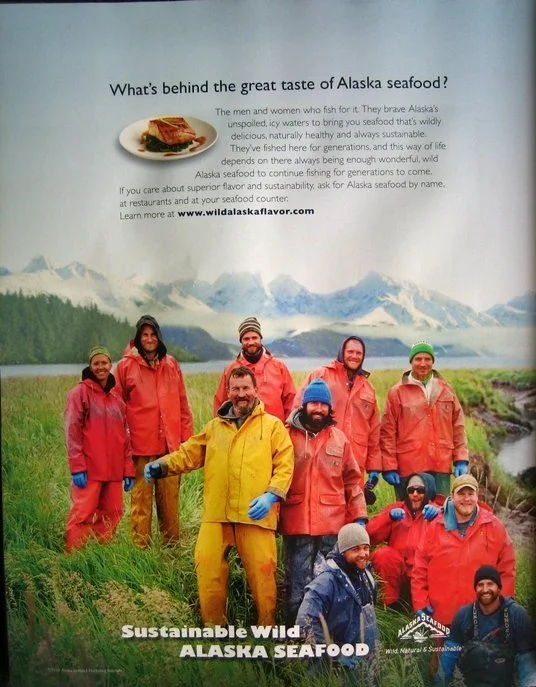
National Fisherman Magazine article
We are a story that is still being built
Our Style of Commercial Fishing.
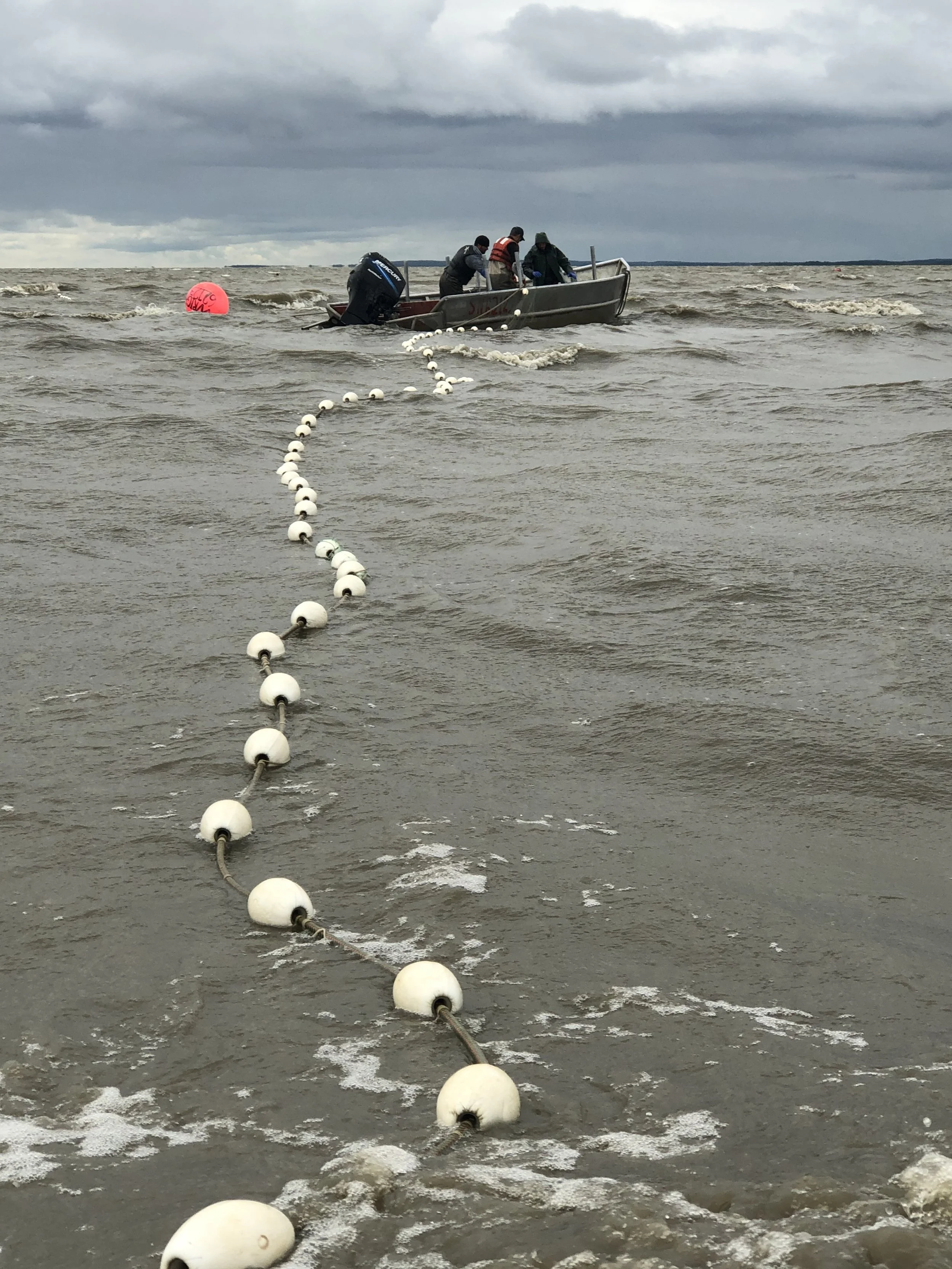
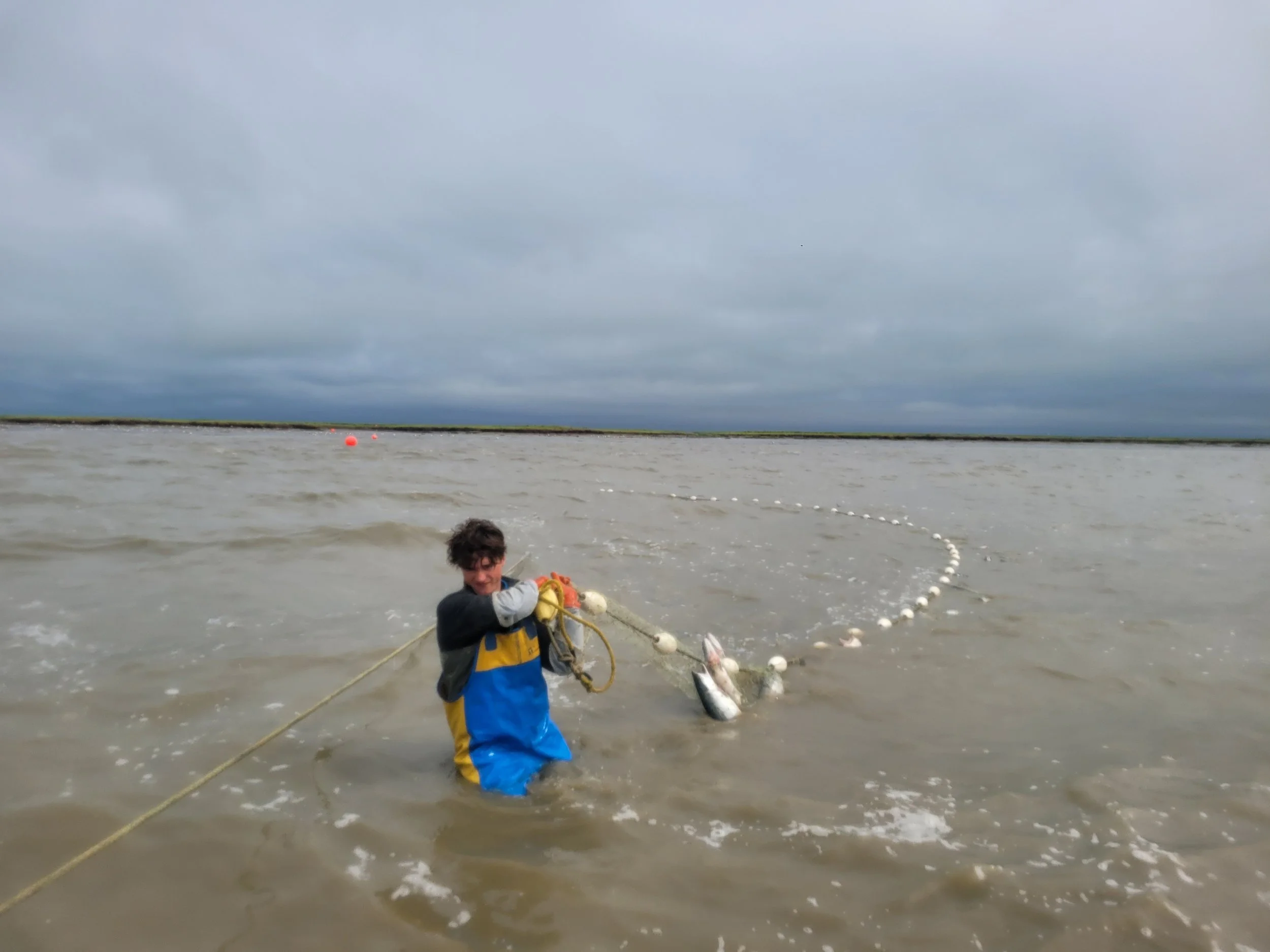
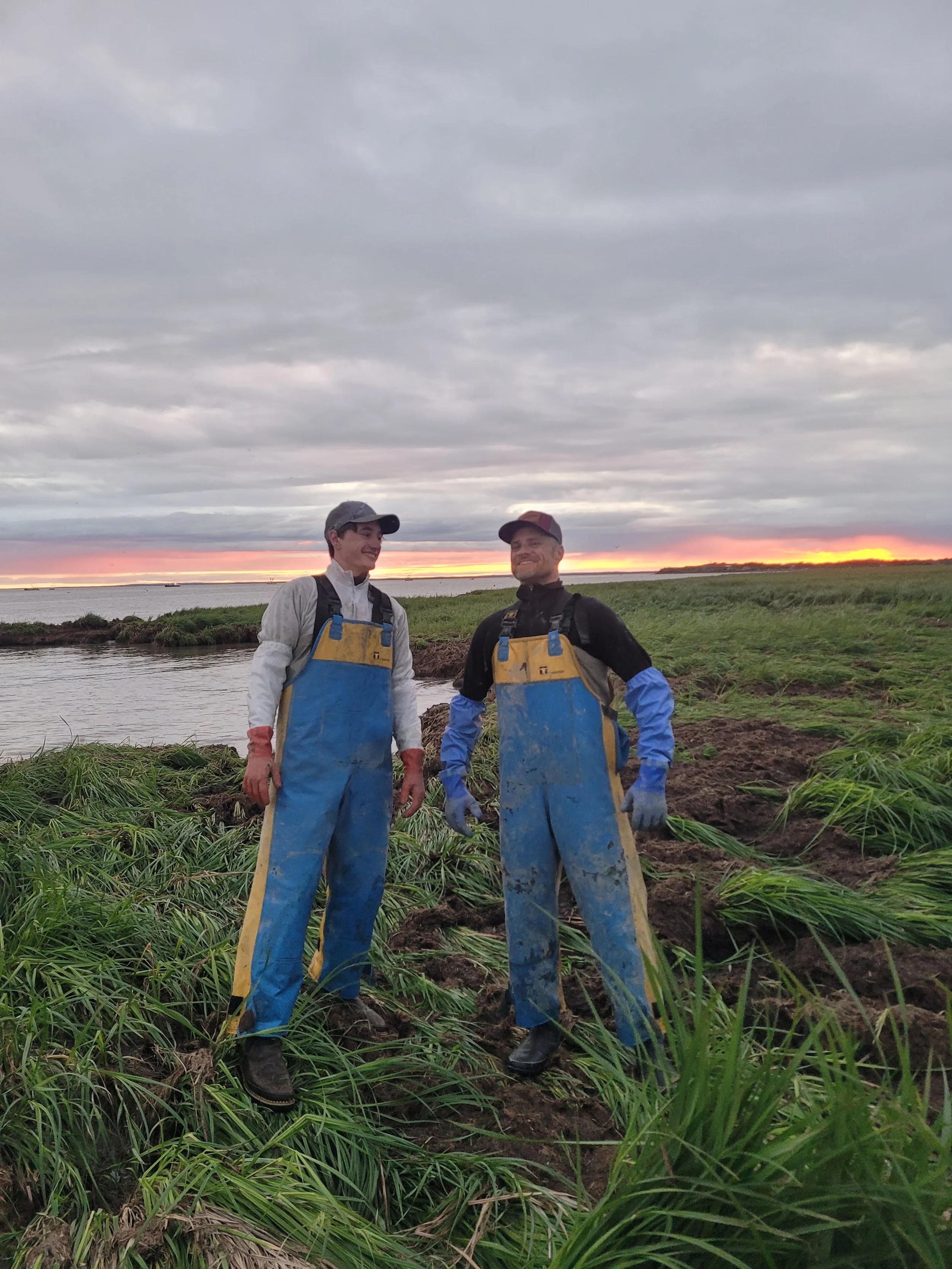
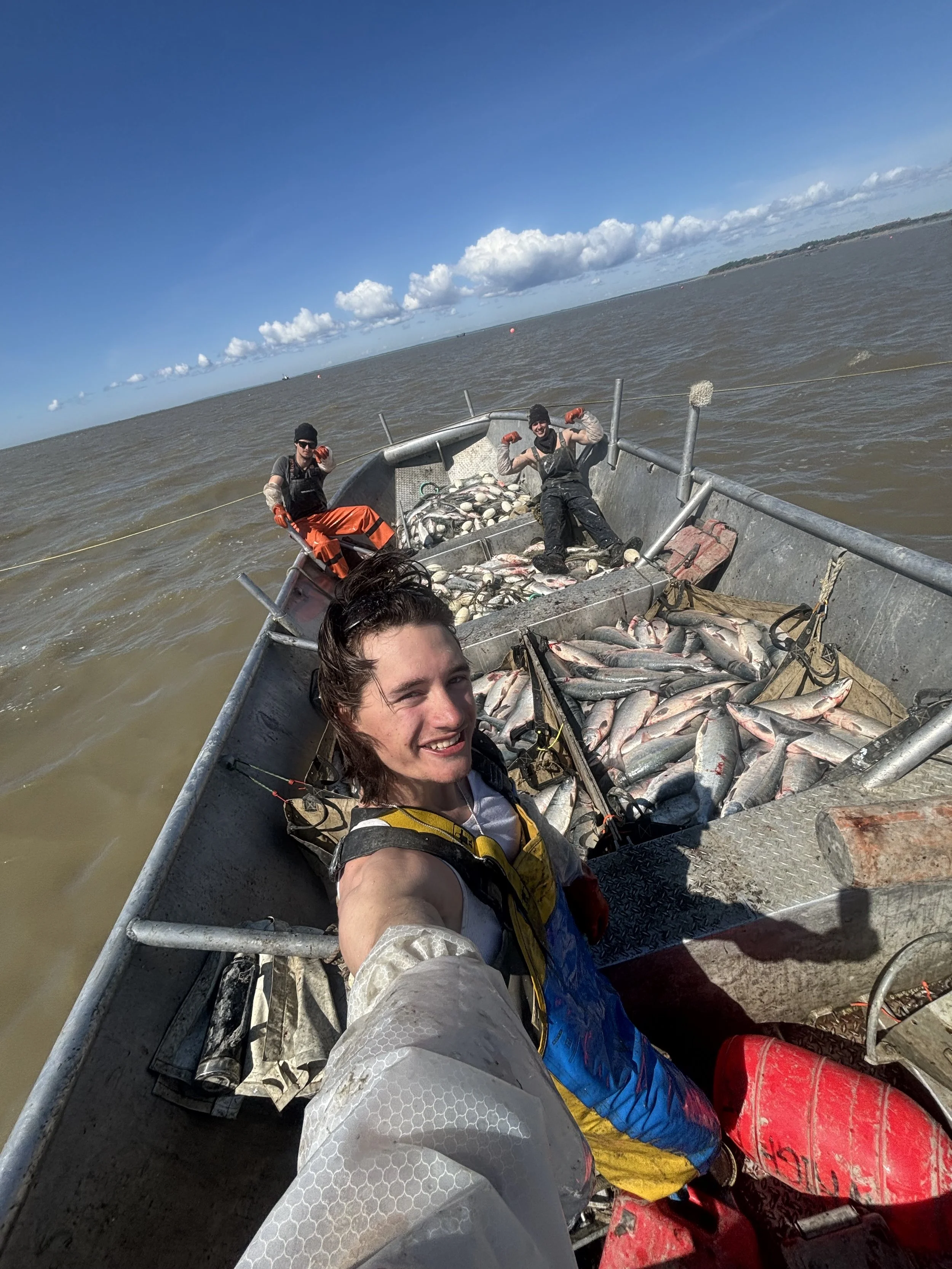
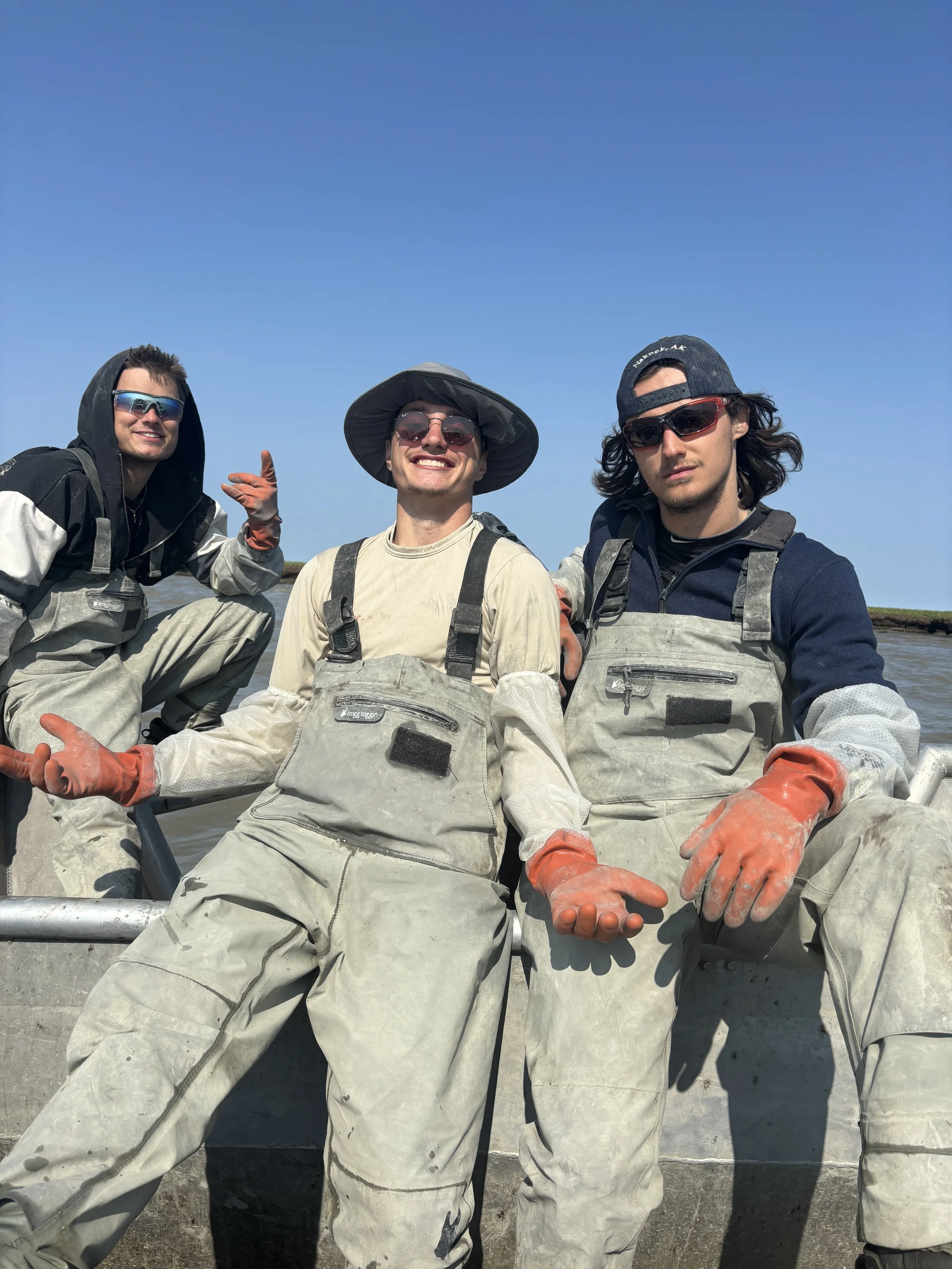
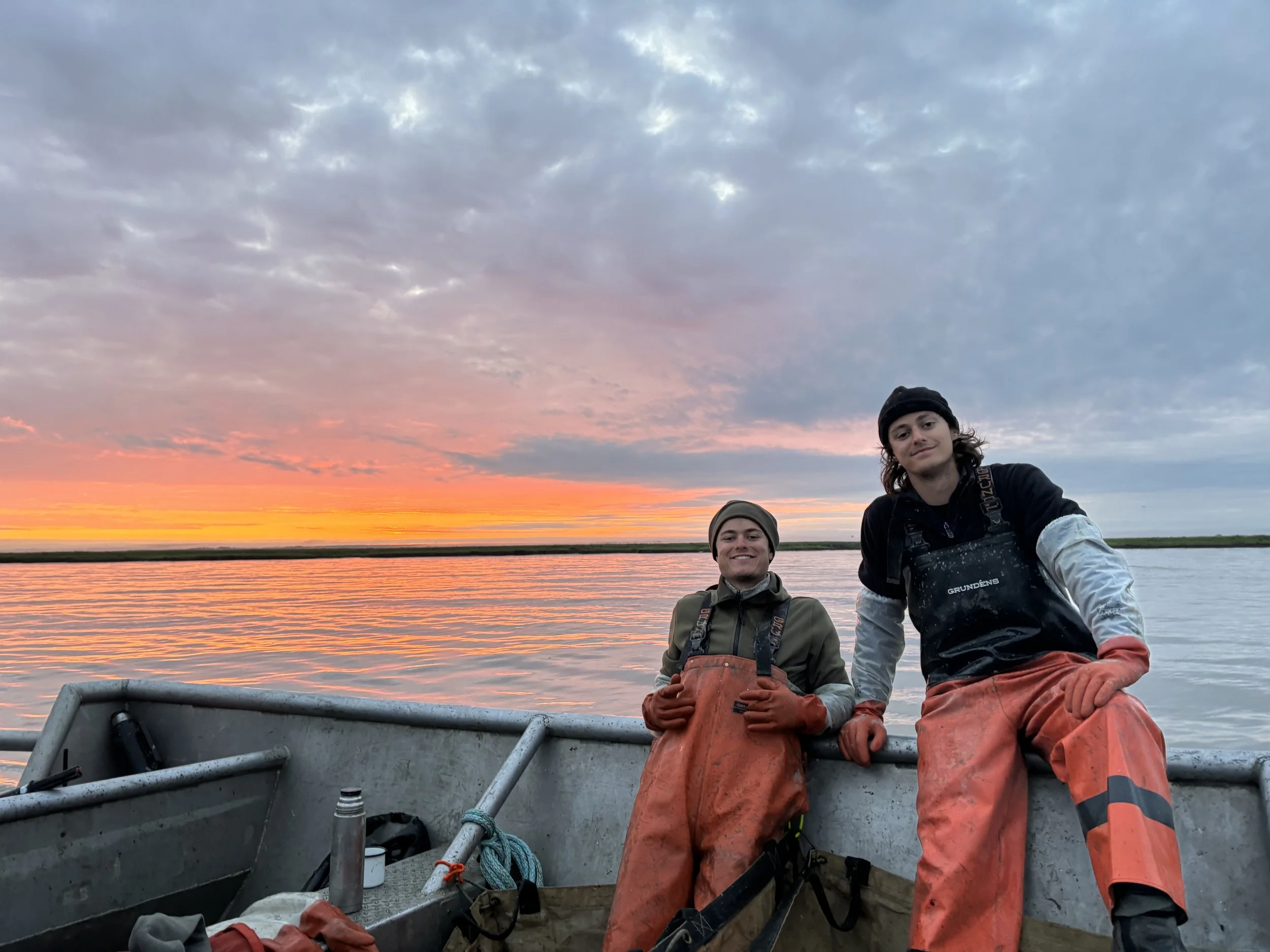
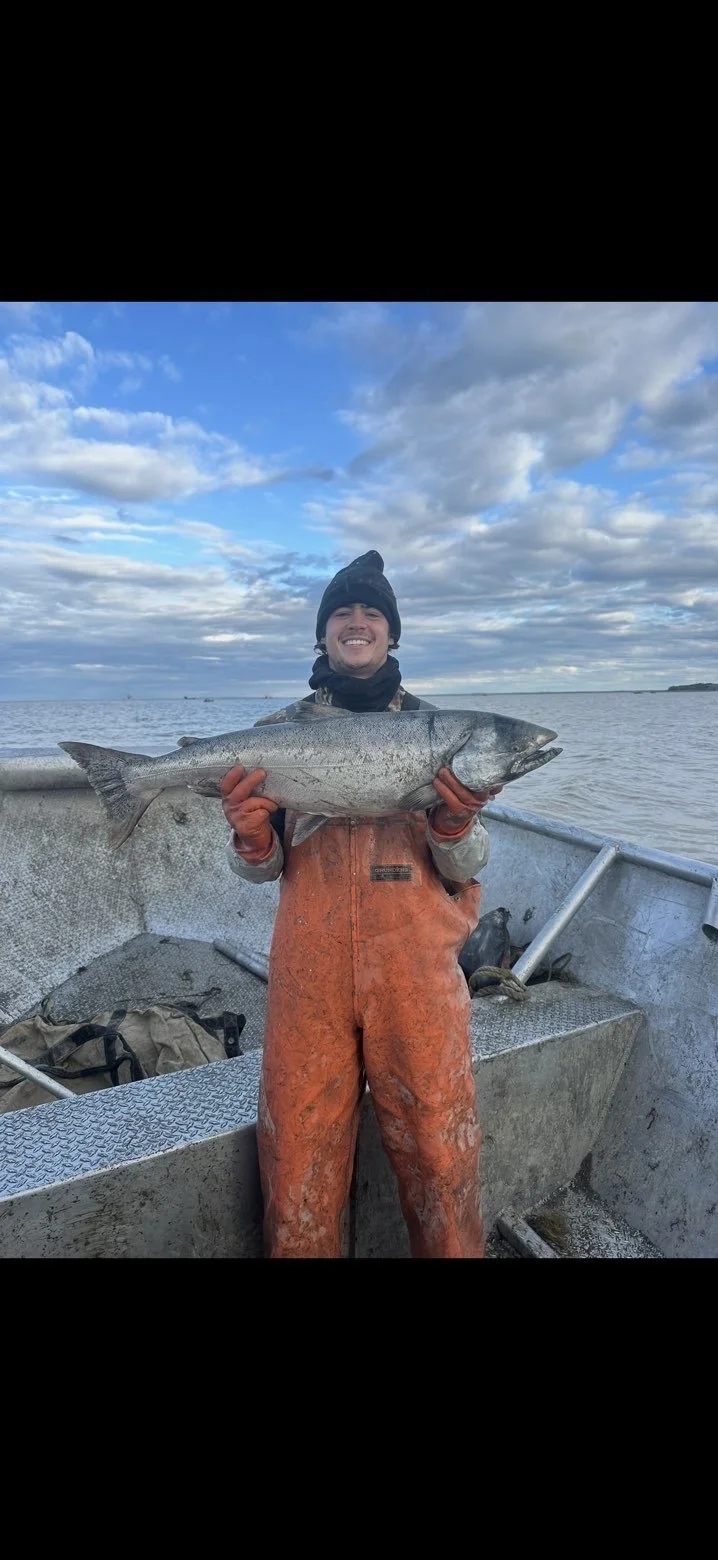
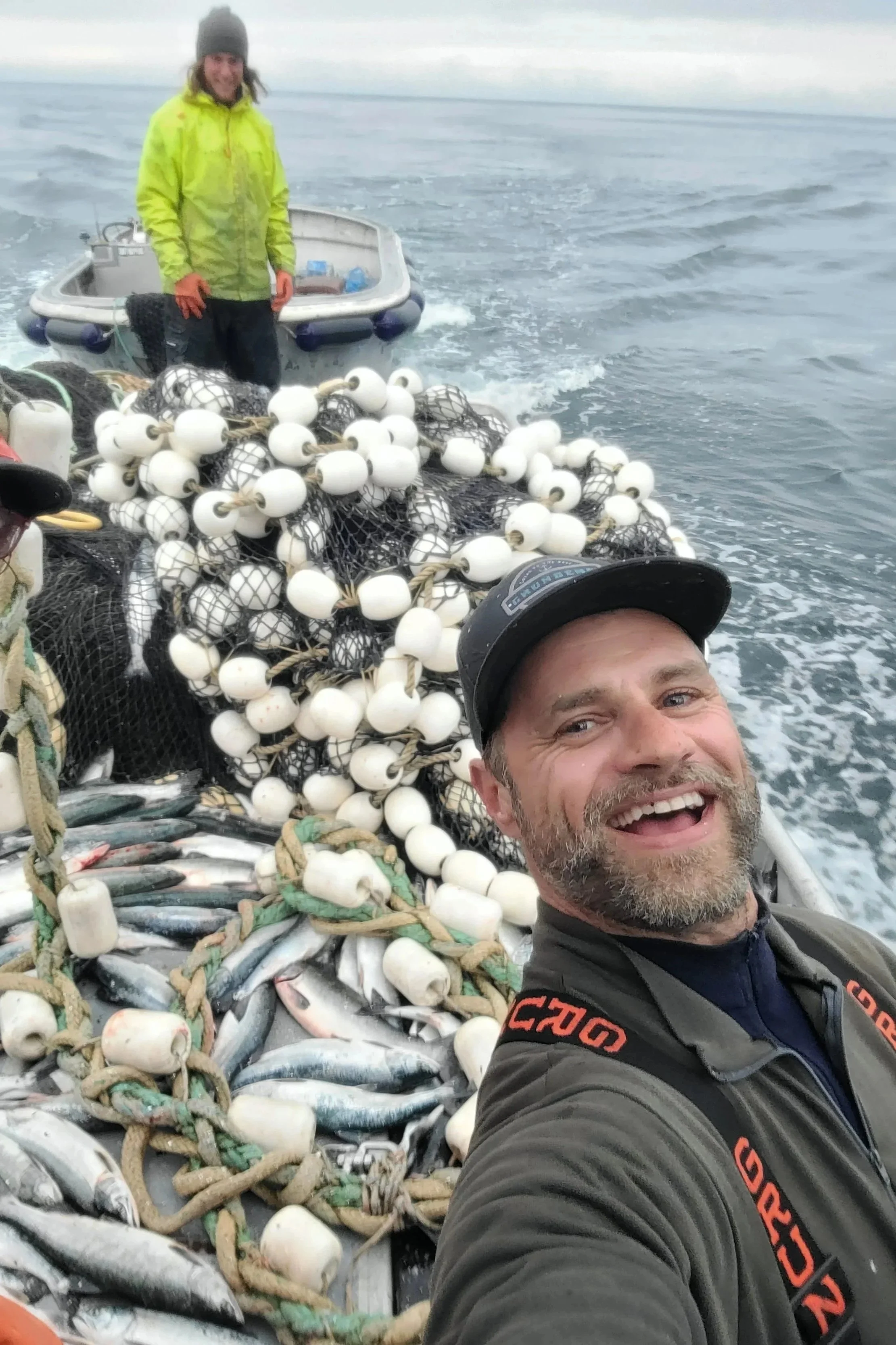
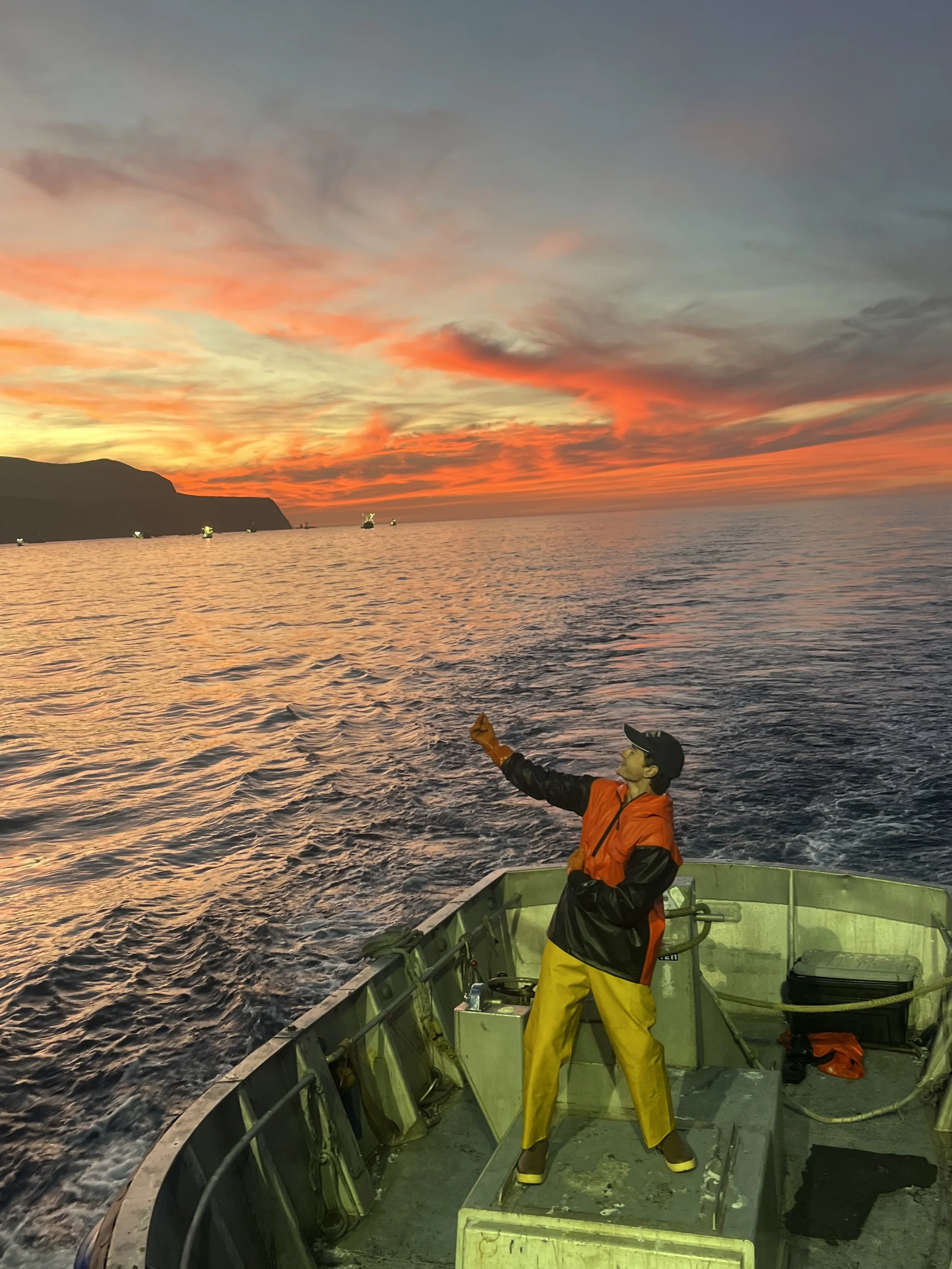
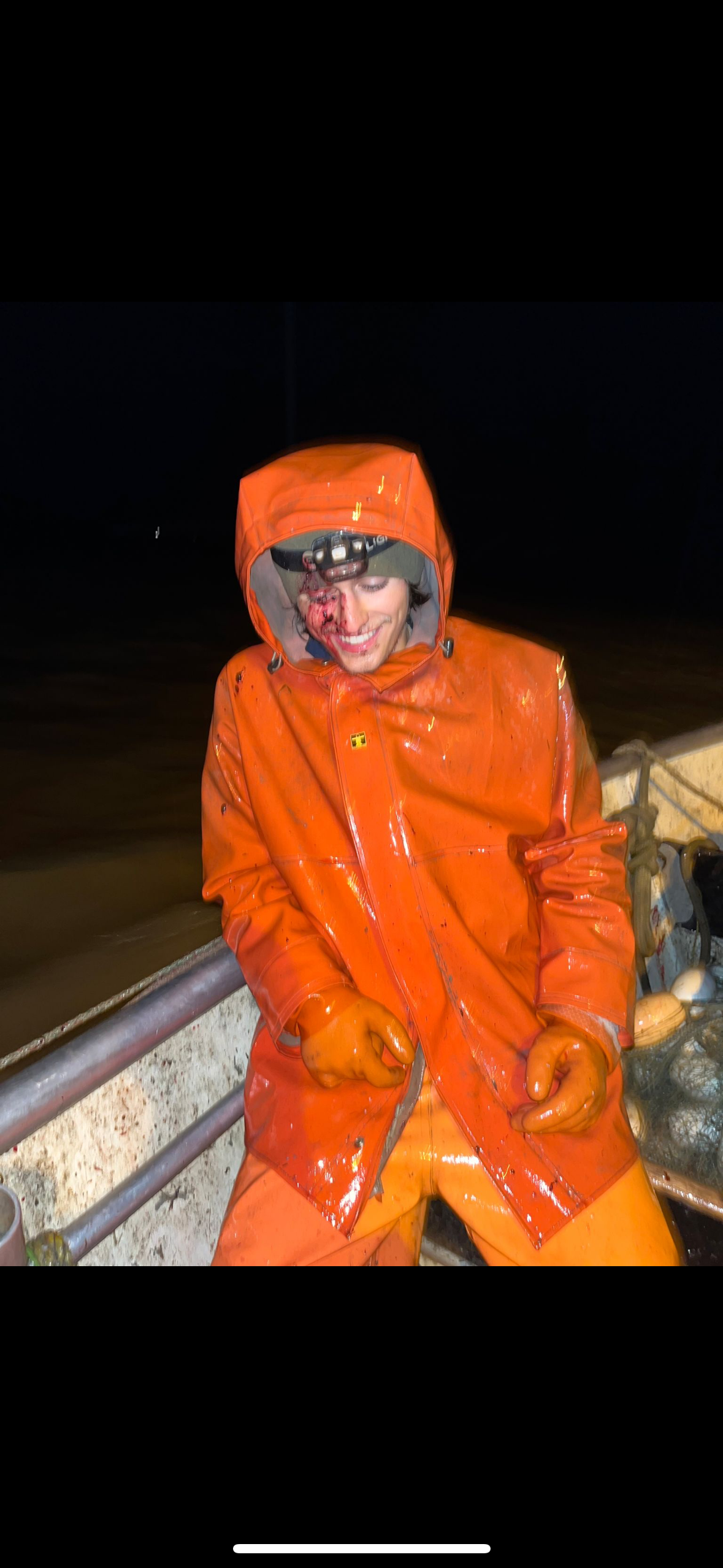
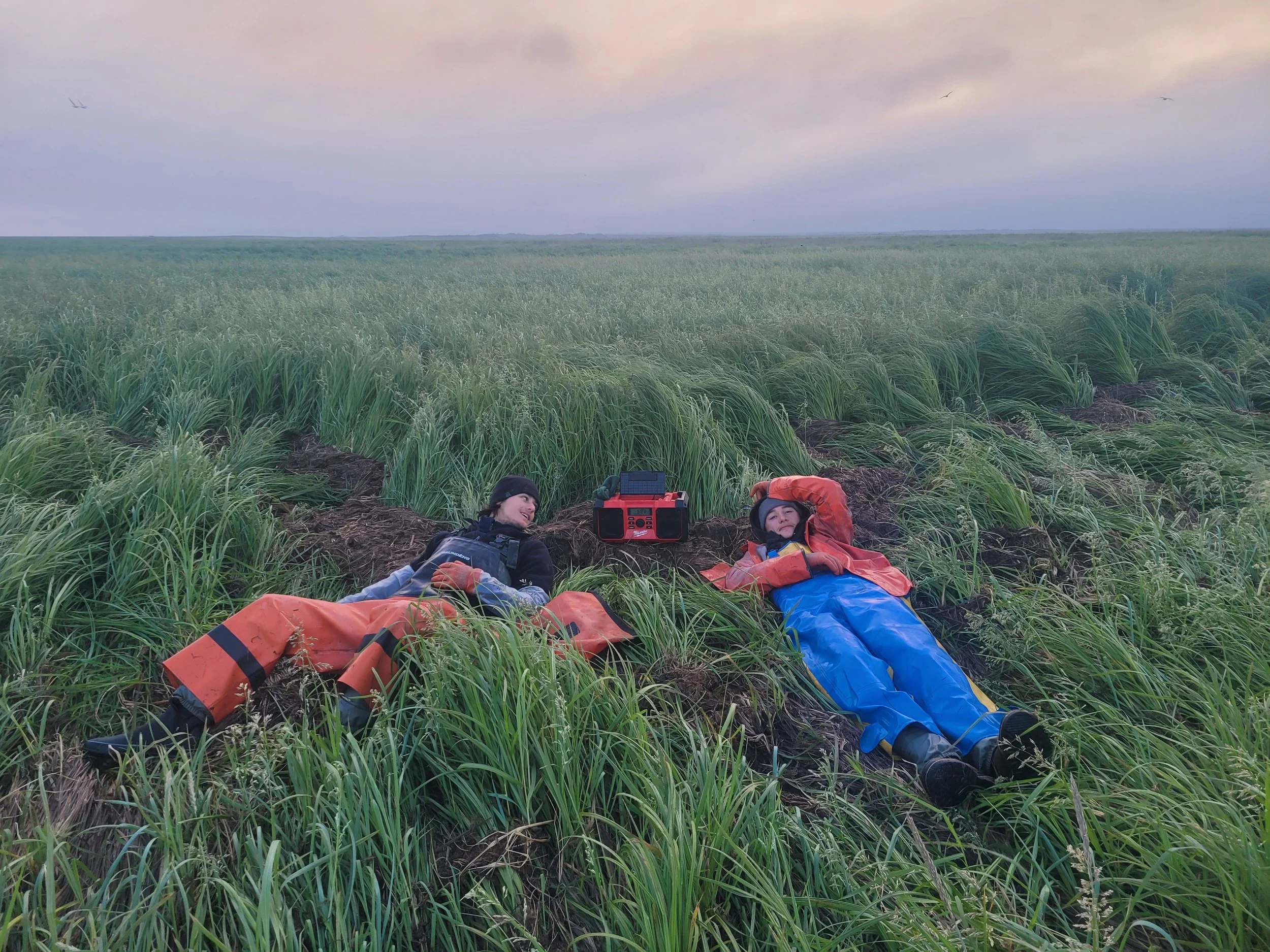
The Peak Run crews use traditional set-net techniques in small boats (“skiffs”). Although many tides during the annual summer salmon run bring unbelievable numbers of salmon from the sea into the rivers, our smaller boats limit the amount of salmon we can handle and haul. This improves the quality and freshness of our fish because we are forced to make more deliveries at a faster pace to keep our boats light and clean. This results in ultra-fresh fish delivered to the processor. It also means less fish stacked on top of each other, which helps preserve the texture and structure of our fish.
Every salmon must be extracted from the net by hand, bled, and handled carefully— and then the brailer bag(s) of salmon are delivered to the processor as quickly as possible. Upon delivery, our salmon are iced and/or chilled with RSW refrigeration and then delivered to the custom-processing plant. There, after being immersed in an ice-slush bath, rinsed, and inspected, the fillets are removed from each side of the fish, the pin bones are extracted, and then vacuum-sealed and flash-frozen at -35 to -40 degrees. Flash freezing is nothing short of spectacular—it freezes the fillet so rapidly that it prevents ice crystals from forming in the cells, which can damage the cell structure and affect the taste when the fillet is thawed. Flash freezing keeps the cell structure intact, which results in locked-in freshness from the sea.
When you receive your CSF Share of flash-frozen, vacuum-sealed fillets, keep them in your freezer. When you are ready to prepare a fillet, cut some slits in the plastic to open the vacuum seal and then allow the fillet to thaw gradually in the refrigerator over night (or out of the refrigerator is fine too if you’re preparing it that day). Slow thawing is the best way to keep the fillet perfect and tasting as fresh as if you brought it in to the cabin with us at the end of a tide (which we often do!). You will then be ready to bake, grill, sous vide, use a skillet, etc, to prepare and serve your immaculate Peak Run wild Alaska Sockeye Salmon fillet with a taste and texture right out of the sea!
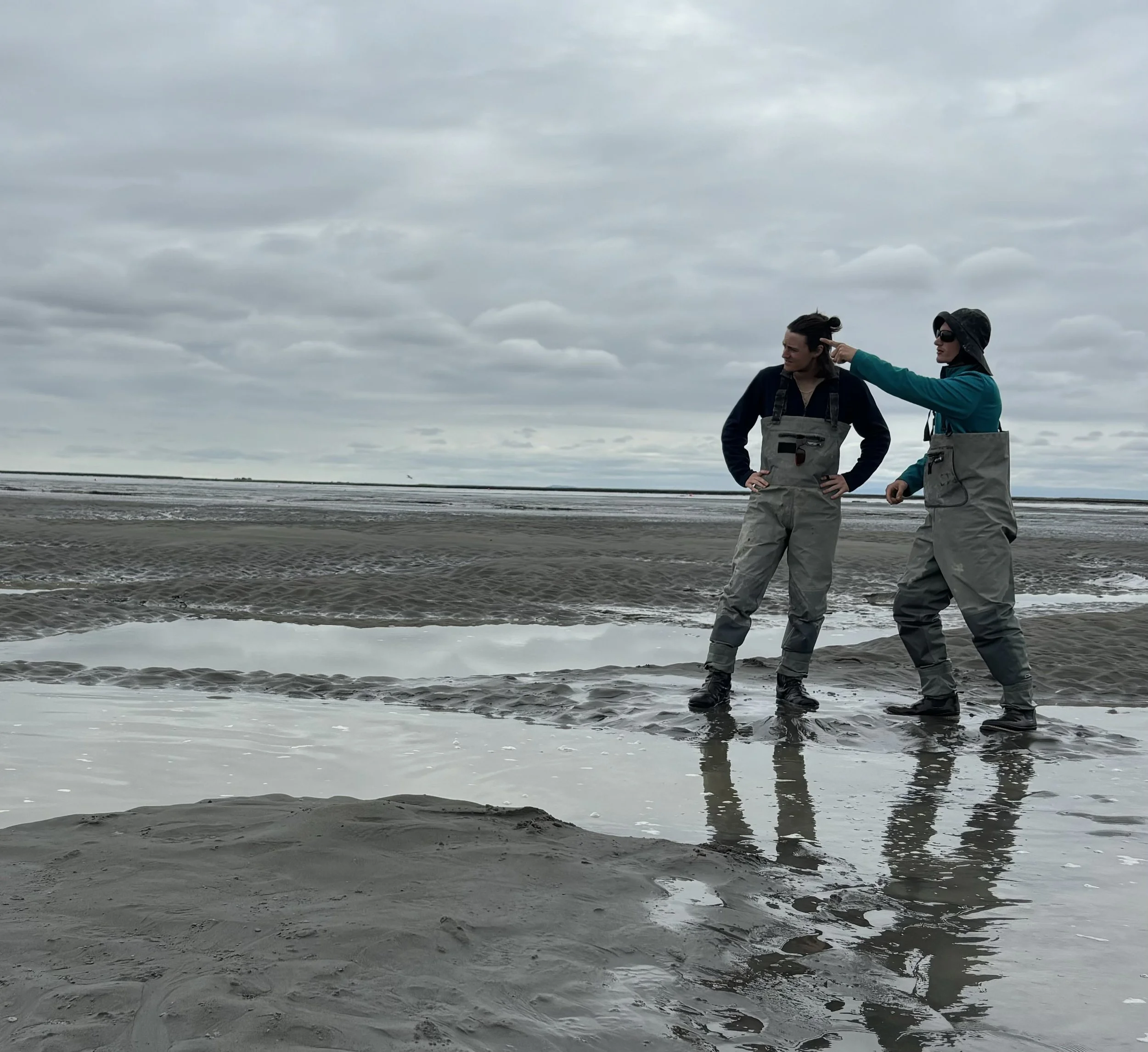
Community Supported Fisheries (CSF)
In medias res: choppy seas and letting go.
Wild Alaska sockeye salmon remains a cyclical, sustainable, and remarkably healthy food source. Yet we must be committed to salmon to help keep this bountiful fish eco-system thriving. By ordering a Peak Run CSF Salmon Share (20, 40, or 60 lbs.), you partake in a cleaner, healthier salmon that comes from one tremendous interconnected sea journey: the Pacific Ocean – Bering Sea – Bristol Bay – Kvichak River – Lake Iliamna – Alaska. And with $1 per pound donated back to the region, you also help preserve and sustain the area from where you salmon comes!
Thus, by becoming a Peak Run CSF Share for Good Member, you can eat purely and live well by obtaining the myriad health benefits from this wild super-food. Moreover, you can help preserve the land, water, and people of Southwest Alaska.
Peak Run Crew
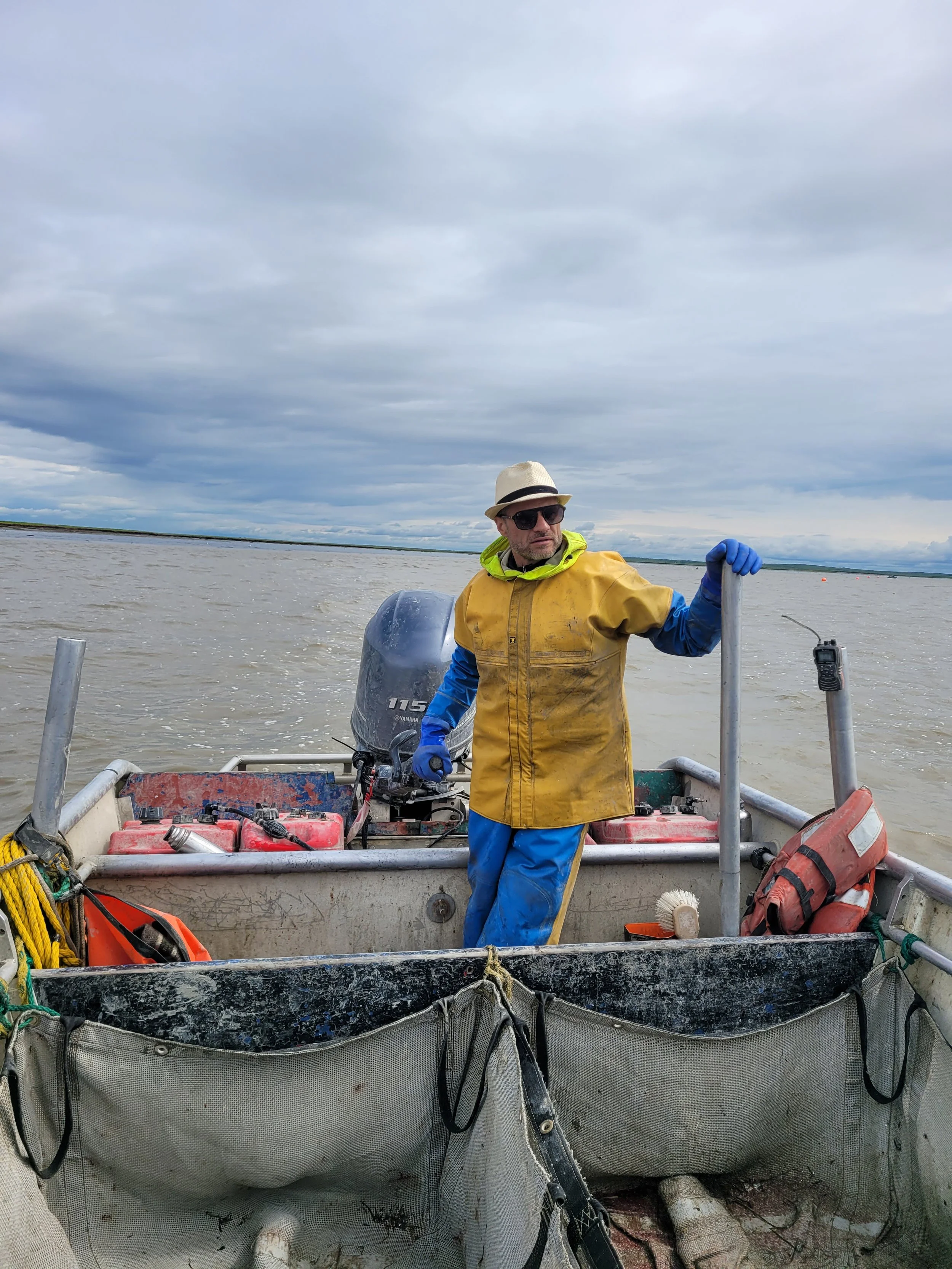
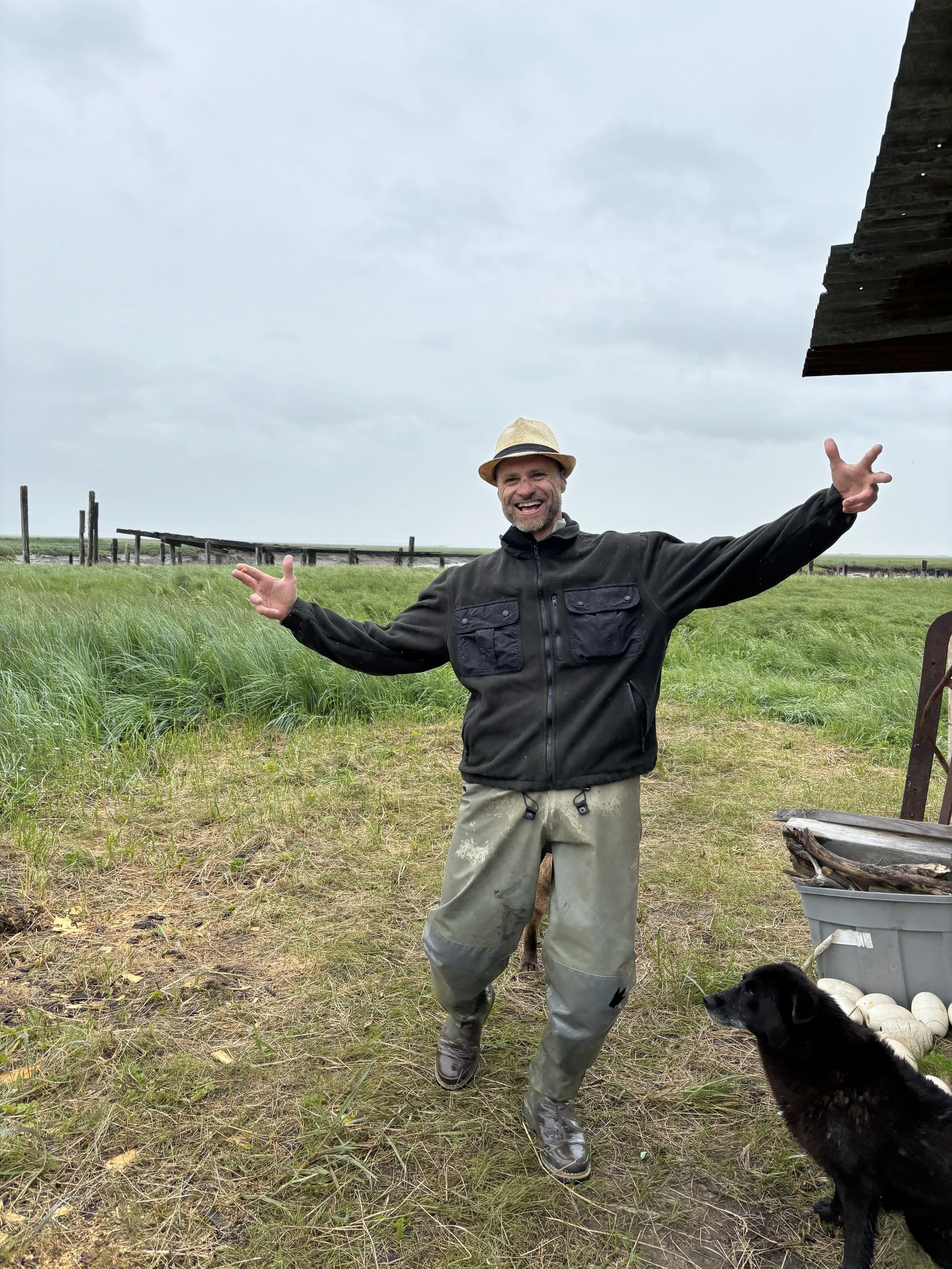
David Wright
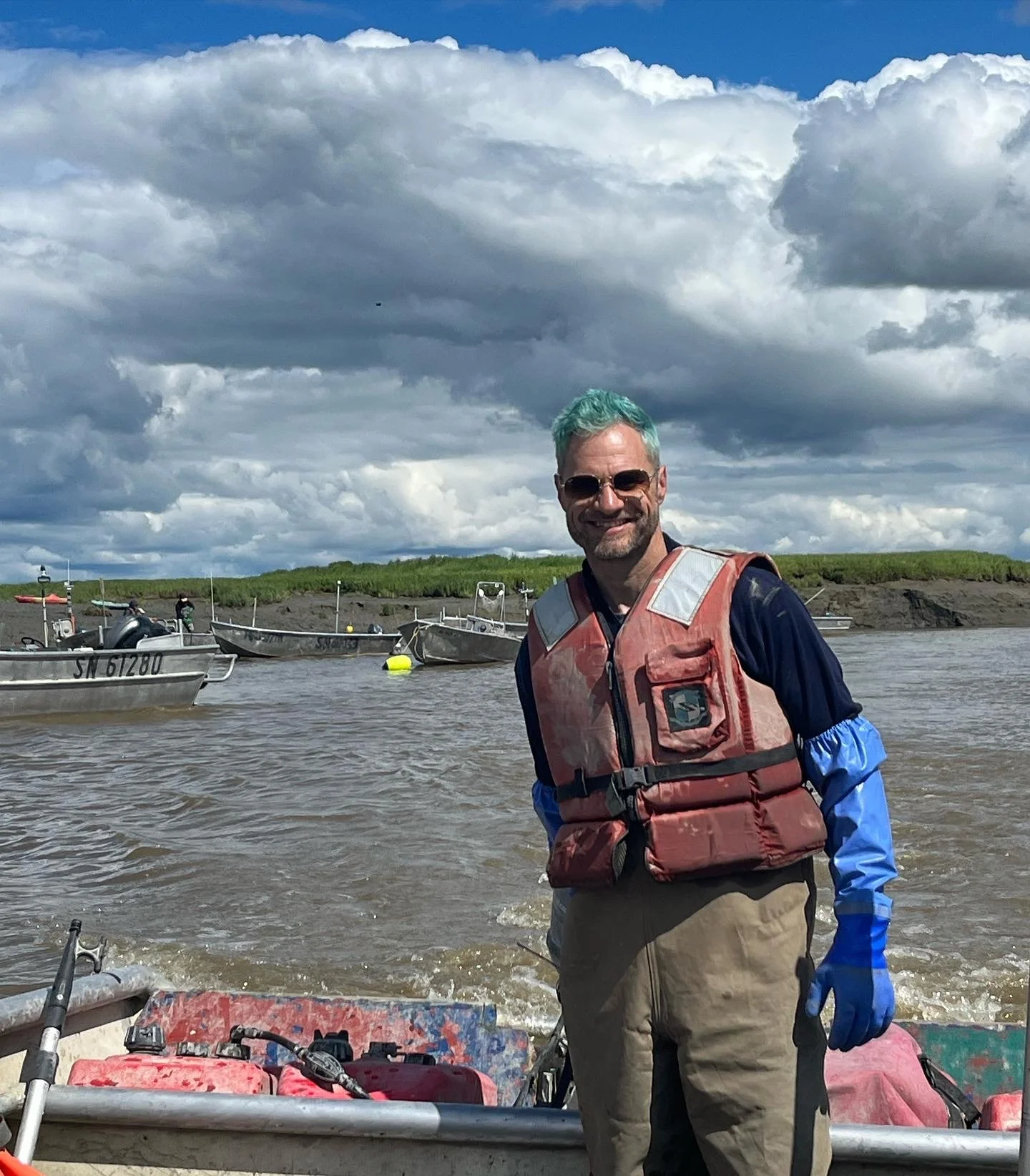
David began fishing in Bristol Bay in 1998. After a break mostly comprised of building a big family with a lot of children, he returned to Bristol Bay and has been set net commercial fishing for the last 20 years. About 12 years ago, he began selling Bristol Bay flash-frozen wild sockeye salmon locally in Louisville, KY. He has also seined for pink salmon, silver salmon, and sockeye salmon in Kodiak, Alaska, after the sockeye season.
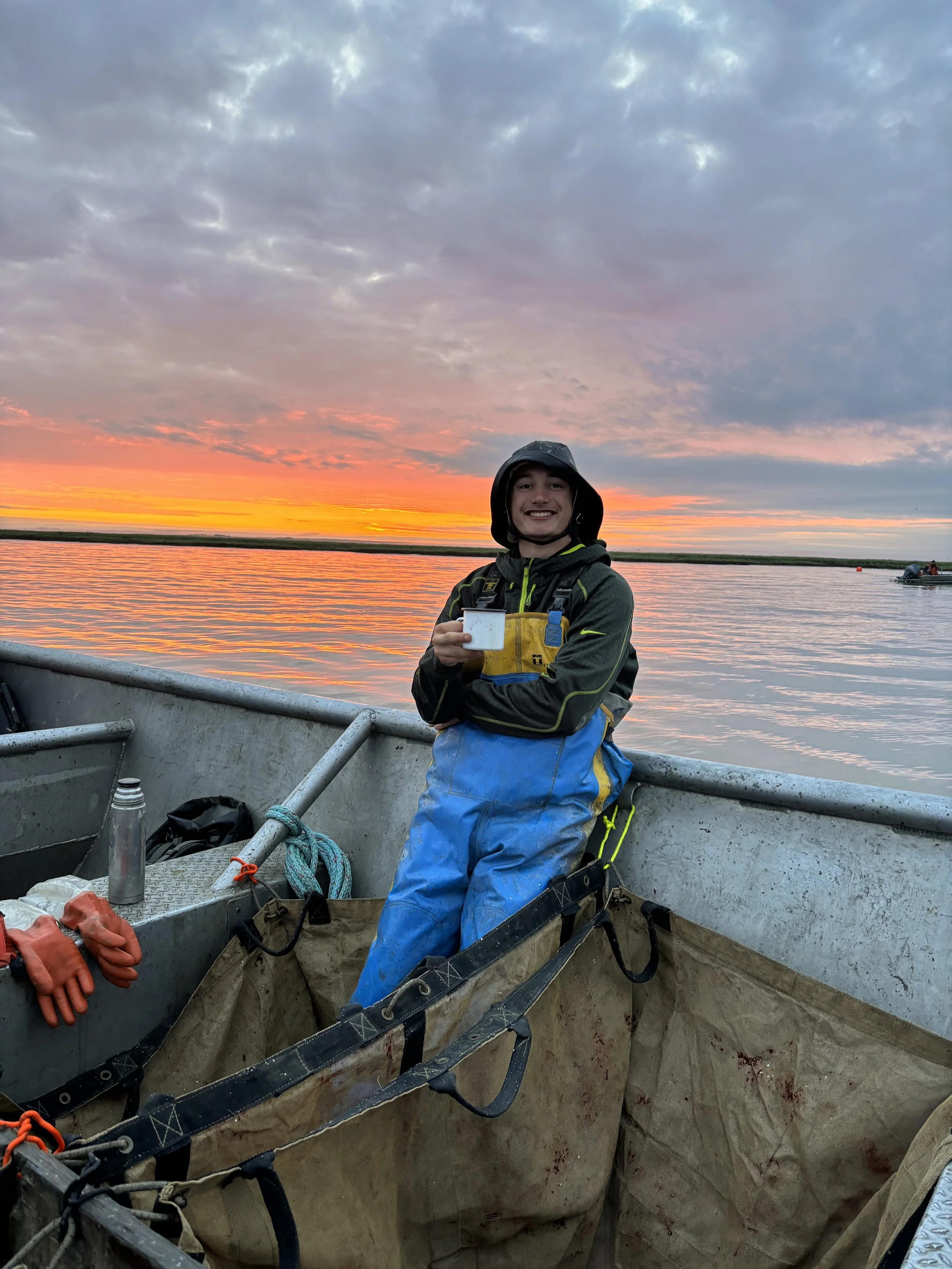
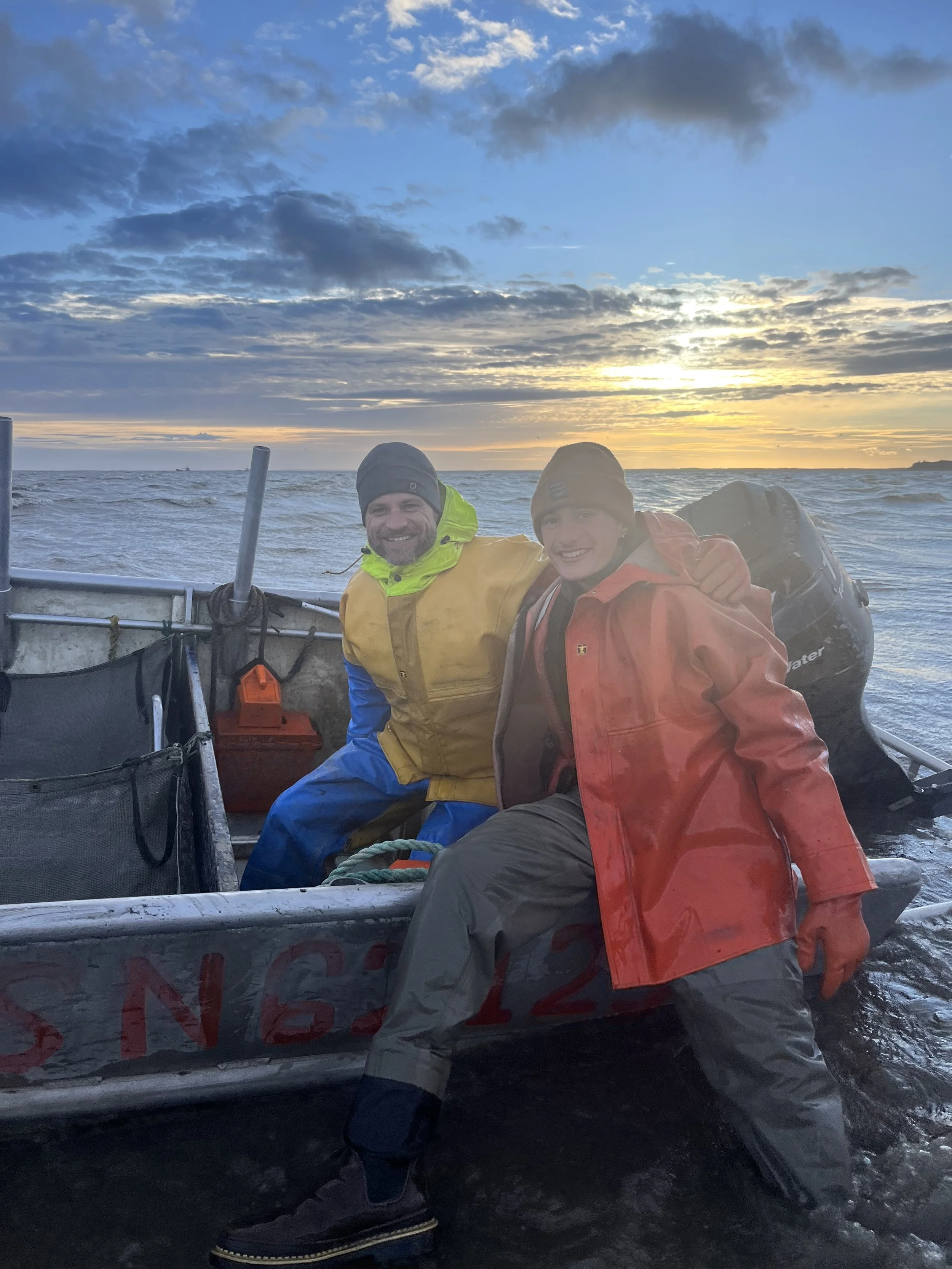
Isaiah Wright
Isaiah Wright joined his father as his crewman when he was 13 years old. It didn’t take him long to realize that commercial set net fishing was a truly special experience—and he returned as his dad’s right-hand crew man every summer since. In the summer of 2024, he began the process of buying his first set net boat and began captaining on the site next to his father. Isaiah has also fished for squid in California during the fall and winter, and then sailed from there to Sitka, Alaska, to fish for Herring. He is currently back in California working on an Alaska-based seining boat for the squid season.
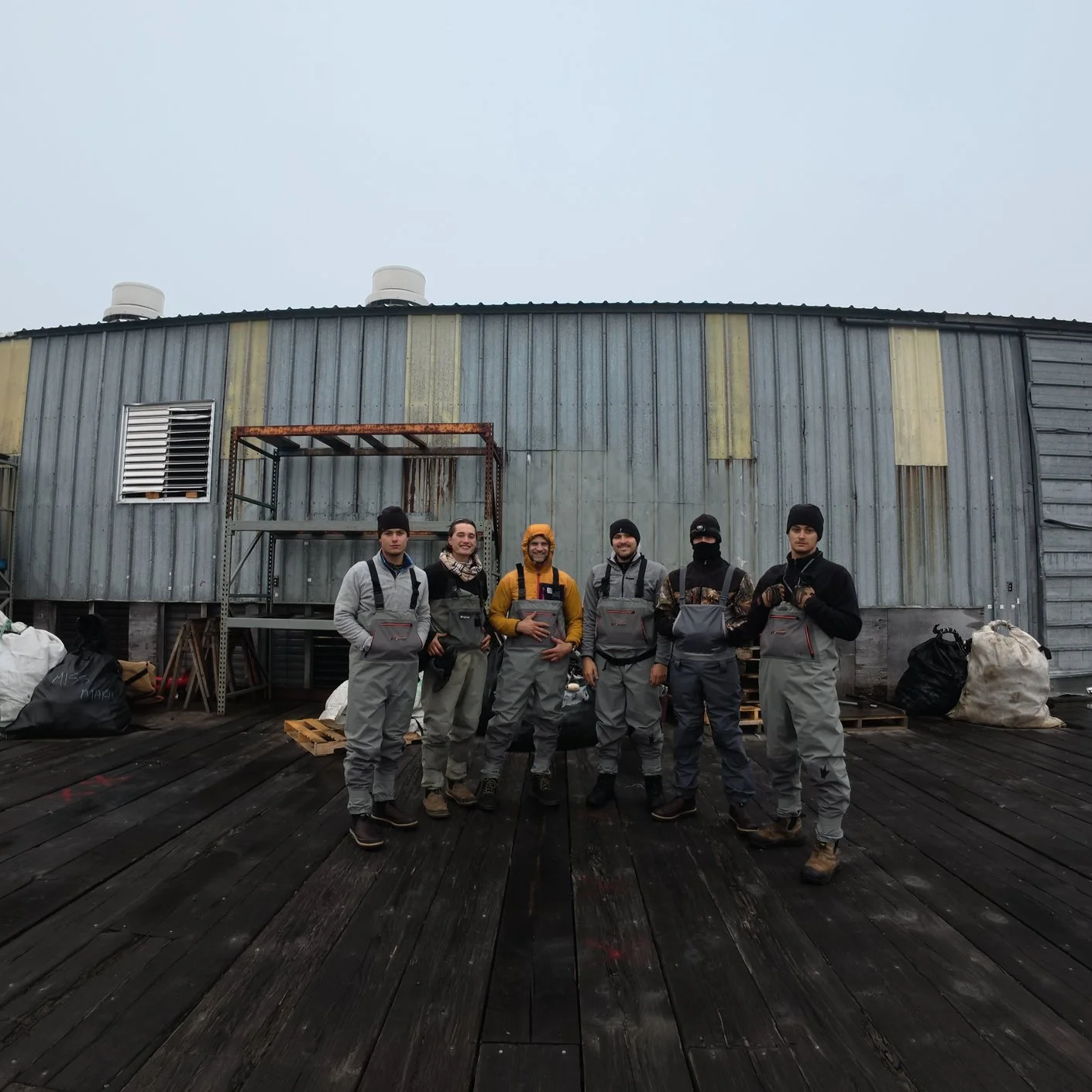
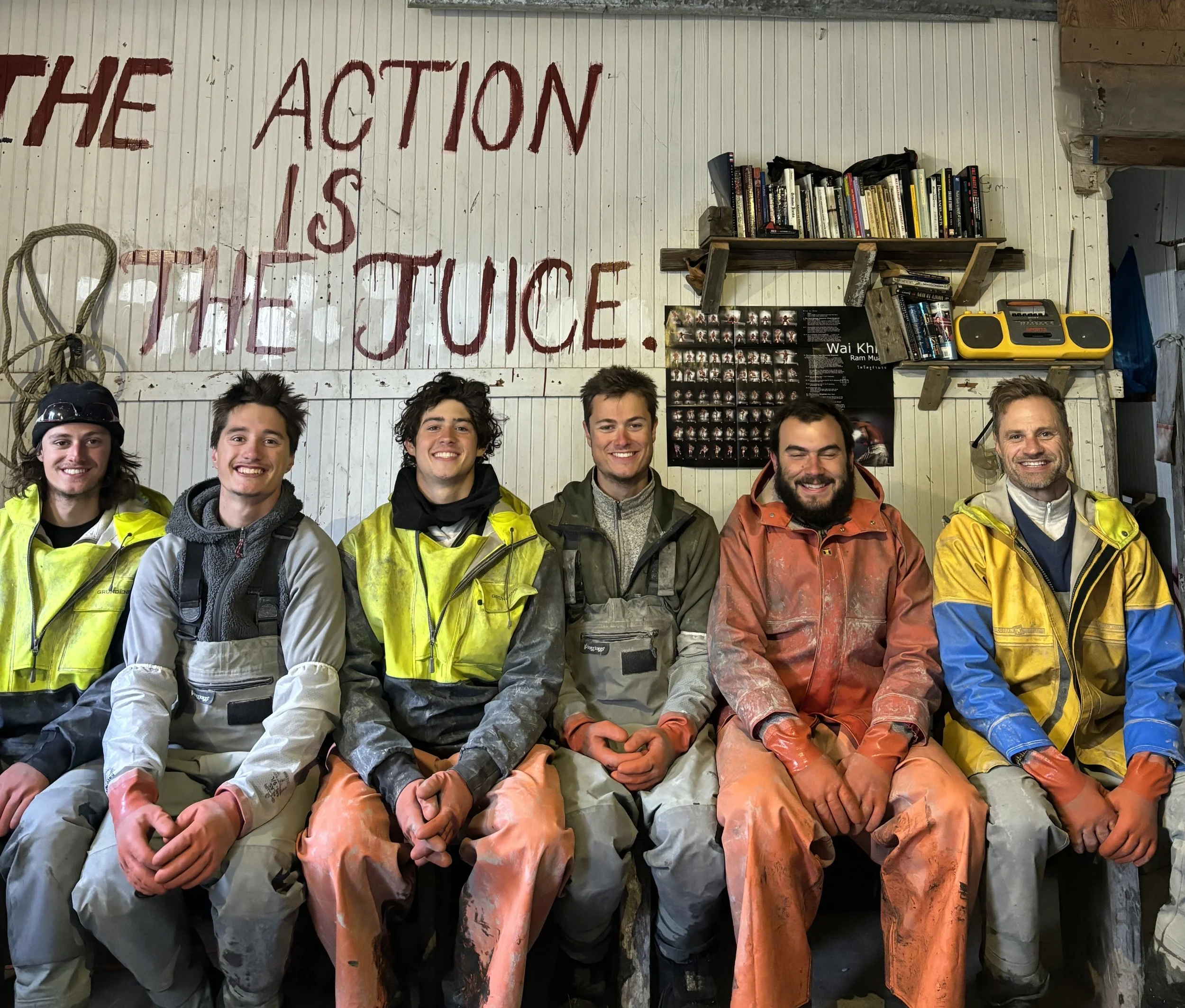
The Peak Run Crew
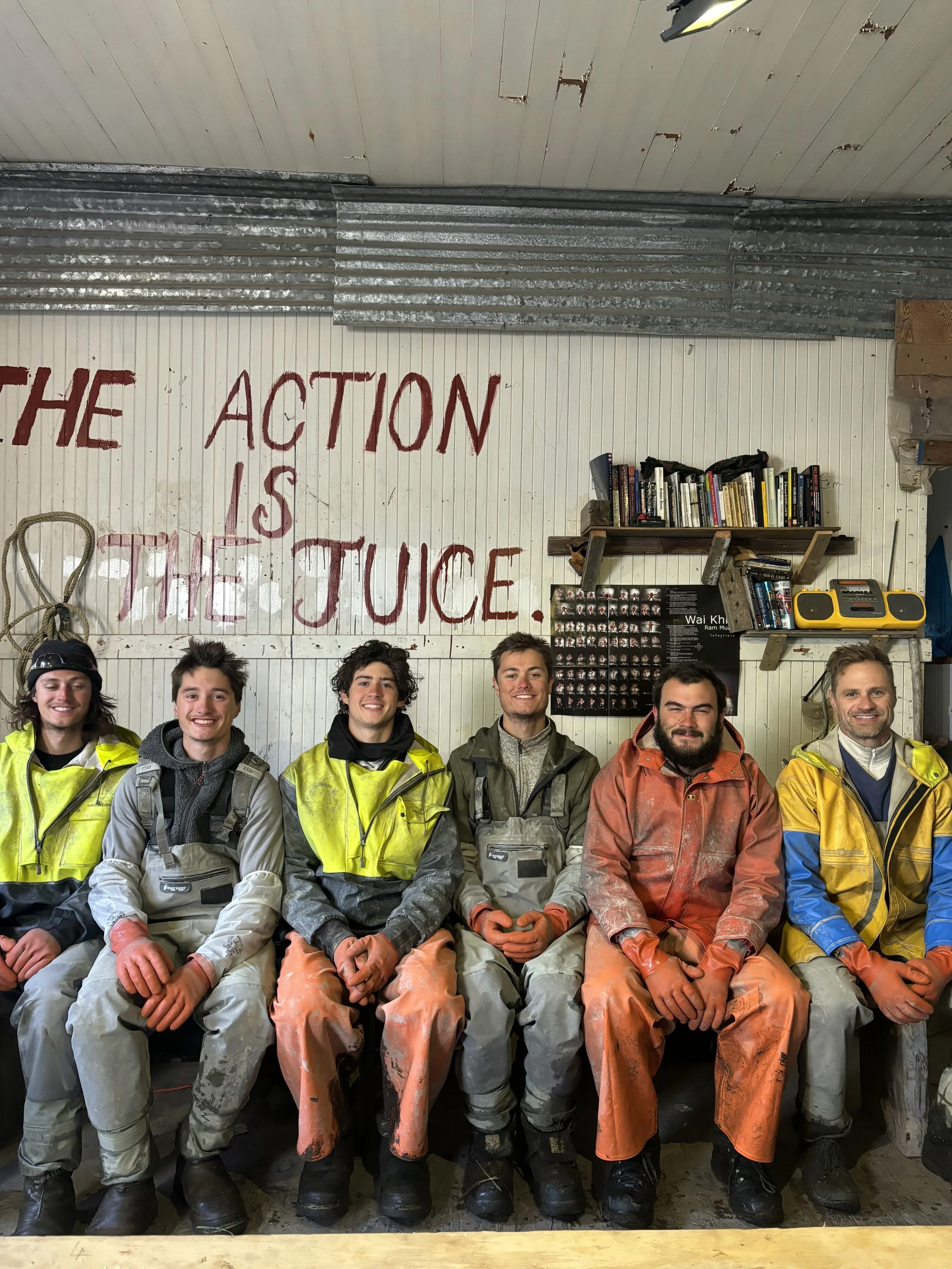
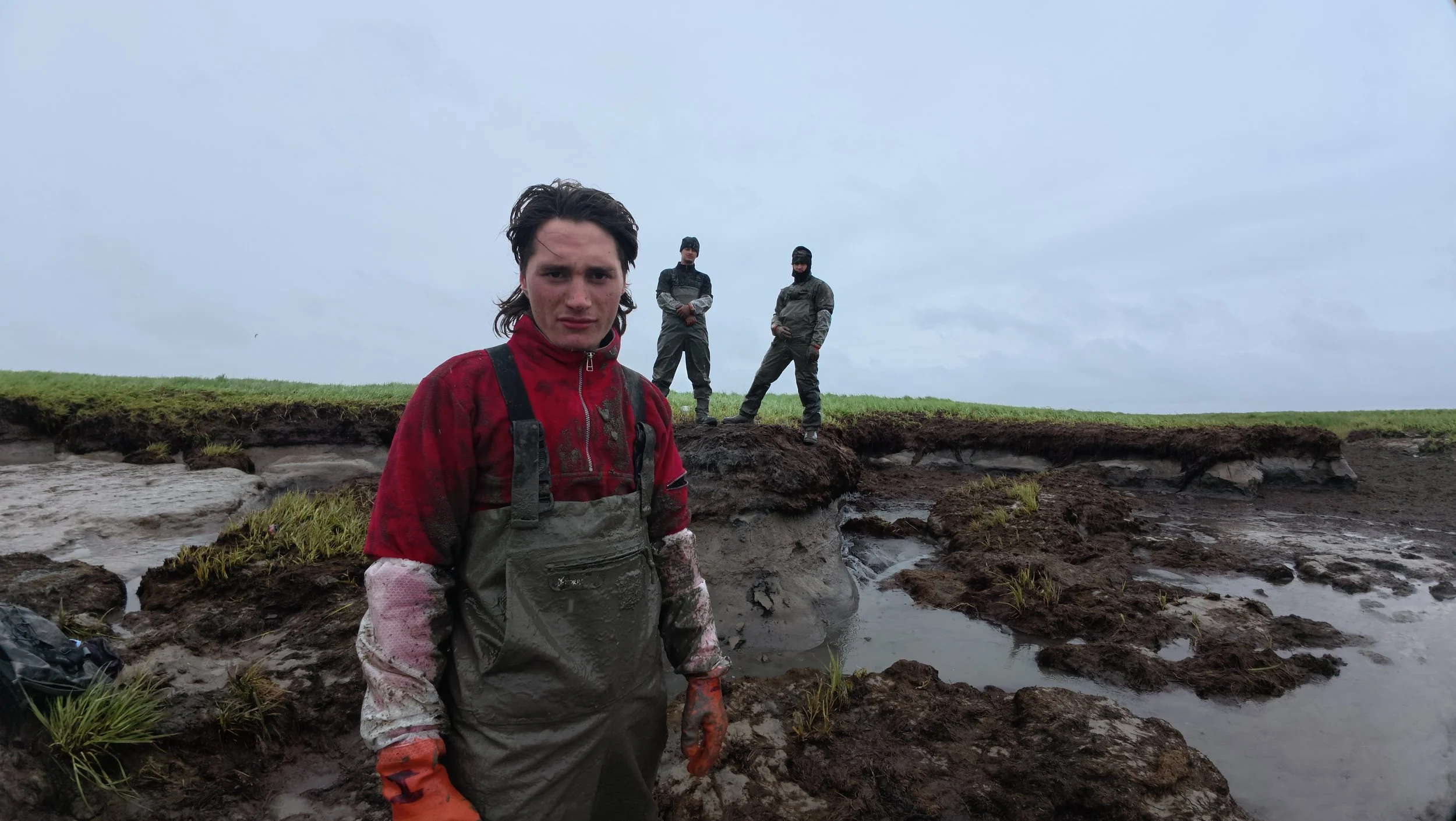
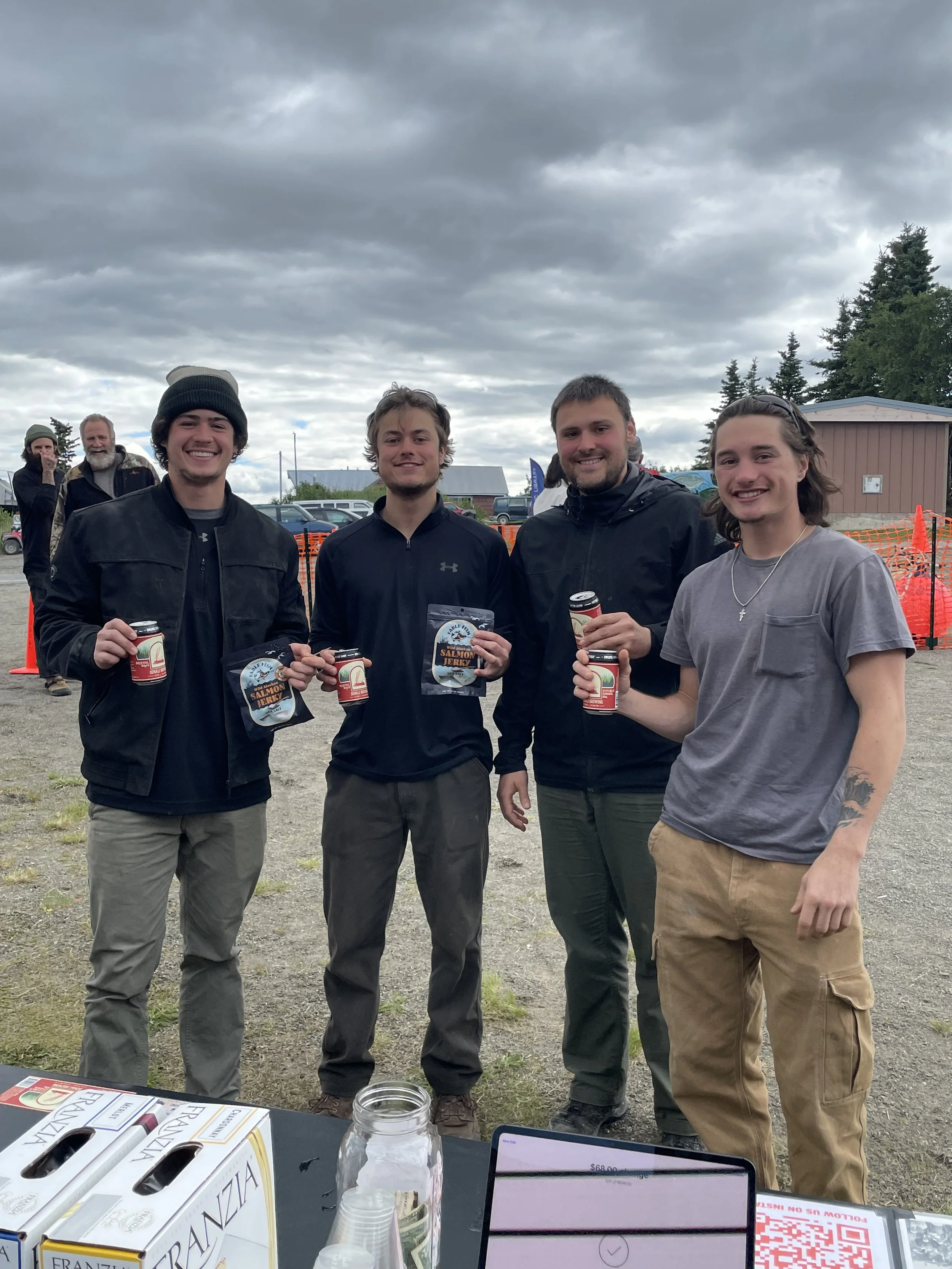
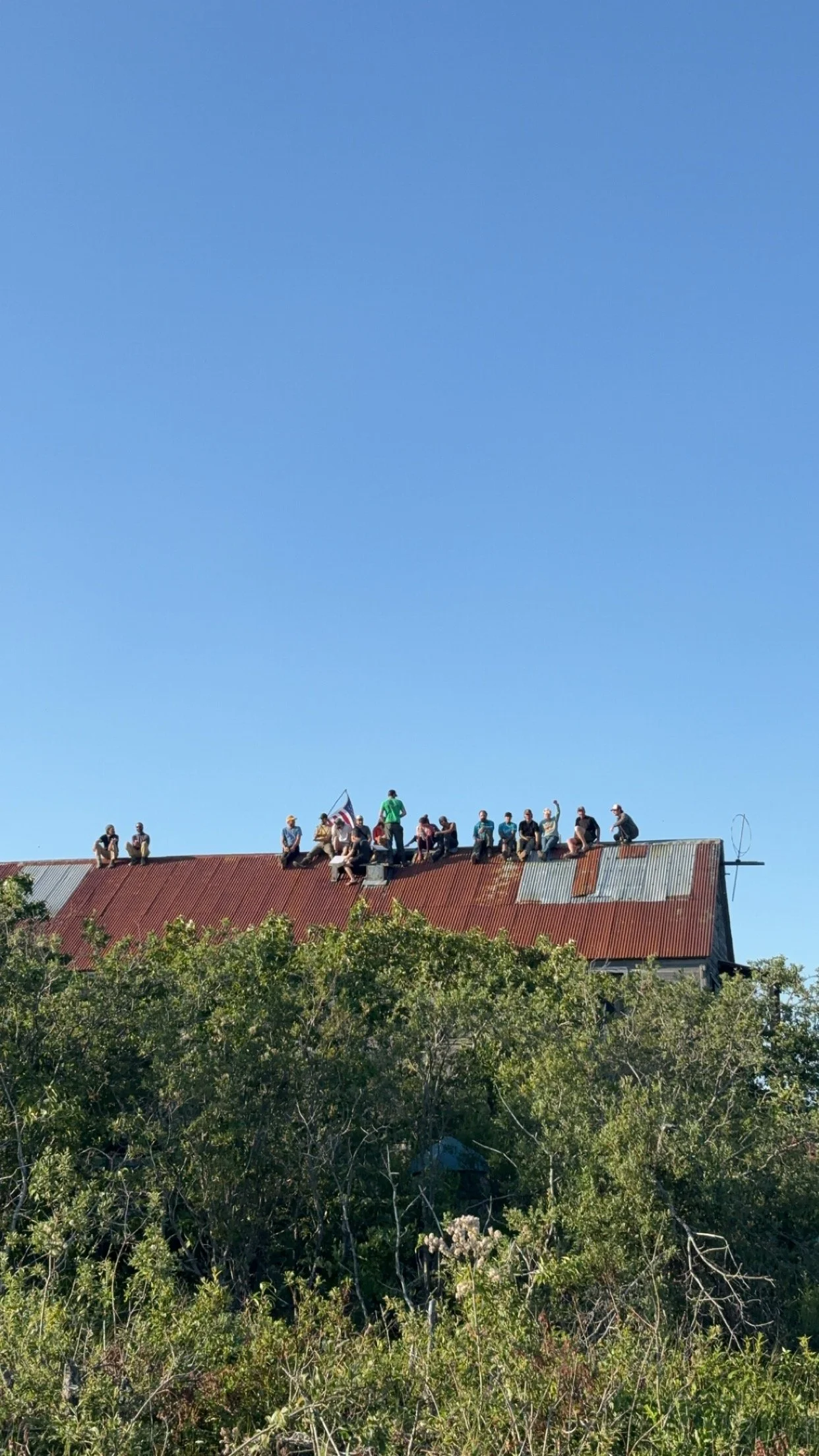
Our crew of faithful, hardworking fishermen are such an essential core of Peak Run. Each crewman works hand in hand with their captain pulling in nets, picking fish, and staying patient and enduring in the wind and waves, and every kind of weather in between. AJ Mangione, the city representative of Cincinnati, has been a resilient fisherman on Isaiah’s boat for four years. His younger brother Danny Mangione will be returning to David’s boat for his third year in 2026. And Lucas Cobler, David’s nephew, will return for his third season in 2026 on Isaiah’s boat. And there have been many great crewmen of the past, such as the talented cinematographer Silas Karbo, and many years prior, his tough-as-nails older brother, John Karbo.